
The Rise of Augmented Reality in E-commerce: What It Means for Shoppers
- Hardeep Singh
- Oct 28, 2024
- 3 min read

(Image source: Ideogram)
Introduction
Over the past decade, e-commerce has undergone a significant transformation, with augmented reality (AR) emerging as a pivotal element in enhancing the online shopping experience. By merging digital elements with the real world, AR technology empowers shoppers to make more informed purchasing decisions, bridging the gap between the tactile experience of shopping in-store and the convenience of online retail. This article explores how AR enhances product visualization across various categories, including clothing, cosmetics, and home furnishings, and discusses its implications for the future of shopping.
Virtual Try-Ons for Fashion and Beauty
The uncertainty of whether a clothing item or lipstick shade will suit an individual is now a thing of the past. AR enables users to virtually try on products, creating a more interactive and reliable online shopping experience.
Fashion: Brands like Warby Parker have revolutionized eyewear shopping with apps that allow customers to virtually try on glasses. By using a smartphone camera, users can see how different frames fit their faces, reducing the likelihood of returns due to mismatched styles. This not only enhances customer satisfaction but also helps retailers manage inventory more effectively.
Beauty: In the beauty industry, Sephora’s Virtual Artist tool allows users to experiment with different makeup products. Customers can apply lipstick shades, eye shadows, and foundation virtually, enabling them to visualize how products will look on their skin tones before making a purchase. This feature has proven invaluable in reducing buyer’s remorse and increasing sales conversion rates.
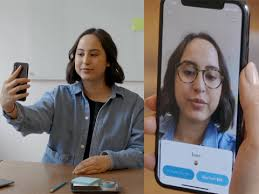



(Image source: Google, Sephora, Warby Parker)
Visualizing Home Decor and Furniture Placement
Leading retailers like IKEA and Wayfair are leveraging AR technology to help customers visualize how furniture will look and fit within their homes.
Example: IKEA's Place app is a game-changer, allowing users to view furniture in their actual living spaces through their smartphone cameras. Users can select a piece of furniture, and the app displays it in real-time, adjusting its size and position based on the room’s dimensions. This innovative approach empowers customers to make confident decisions about their purchases, leading to increased customer satisfaction.

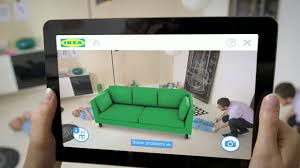
(Image source: Google, IKEA)
Enhanced Product Visualization in General Shopping
Augmented reality is not limited to fashion and home decor; it extends to various product categories. Google’s AR features enable customers to view products in 3D prior to making a purchase. This capability not only enhances the user experience but also minimizes returns by aligning customer expectations with actual products.
Interactive 3D Models: Shoppers can interact with 3D models of products, rotating and zooming in to see finer details. This feature is particularly beneficial for electronics, appliances, and complex items, allowing consumers to gain a thorough understanding of what they are purchasing.
How Shoppers Can Leverage AR
To experience this trend, shoppers can download AR-enabled applications or look for the AR logo on e-commerce websites. Most AR shopping tools are user-friendly and available at no cost.
Conclusion
Augmented reality is transforming the online shopping landscape, making it easier and more enjoyable for consumers to make informed purchasing decisions. As this technology becomes increasingly prevalent, it will reshape the way we shop.
We encourage you to explore one of the recommended apps and share your experiences in the comments below regarding how AR has enhanced your shopping journey!
References
RetailDive. (2021). Case studies on AR in retail. Retrieved from RetailDive
GlobalData. (2022). AR adoption statistics. Retrieved from GlobalData
Coresight Research. (2020). The Augmented Reality Market in Retail: Opportunities and Challenges. Retrieved from Coresight
McKinsey & Company. (2022). The State of Fashion 2022: Accelerating Fashion’s Digital Transformation. Retrieved from McKinsey
Deloitte. (2021). The Future of Retail: Augmented Reality's Role in Shopping. Retrieved from Deloitte
eMarketer. (2023). Augmented Reality in E-commerce: Trends and Predictions. Retrieved from eMarketers



Comments